Protecting Vision in Rural Areas: The Crucial Role of Early Glaucoma Detection

Glaucoma is often called the silent thief of sight because it can steal vision without obvious symptoms until significant damage has occurred. This is especially true in rural areas where access to eye care is limited. Early detection is the only defense against this disease that can lead to irreversible blindness. Understanding glaucoma and prioritizing early screening can protect the vision of millions living far from urban health centers.

What Is Glaucoma and Why It Matters
Glaucoma refers to a group of eye conditions that damage the optic nerve, often due to increased pressure inside the eye. This damage leads to gradual vision loss, starting with peripheral vision and eventually causing blindness if untreated. Unlike other eye diseases, glaucoma rarely causes pain or early symptoms, making it hard to detect without professional screening.
In rural areas, the impact of glaucoma is more severe because:
Limited access to eye care specialists delays diagnosis.
Lack of awareness means people do not seek eye exams until vision loss is noticeable.
Economic barriers prevent regular check-ups and treatment.
Because vision loss from glaucoma is permanent, early detection and treatment are critical to preserving sight.
Five Reasons Early Detection Is Vital in Rural Communities
Glaucoma Progresses Without Warning Signs
Many people with glaucoma do not notice any changes until the disease is advanced. Early screening can catch the condition before vision loss begins.
Treatment Can Slow or Stop Vision Loss
While glaucoma cannot be cured, medications, laser therapy, or surgery can control eye pressure and protect remaining vision if started early.
Rural Residents Often Face Travel Challenges
Traveling long distances to urban eye clinics is costly and time-consuming. Early detection through local screenings reduces the need for emergency care after vision loss.
Awareness Campaigns Improve Outcomes
Educating rural populations about glaucoma encourages regular eye exams and reduces stigma around seeking care.
Early Diagnosis Saves Healthcare Costs
Preventing blindness lowers the need for expensive rehabilitation and social support services.
How Rural Areas Can Improve Early Glaucoma Detection
Mobile Eye Clinics and Outreach Programs
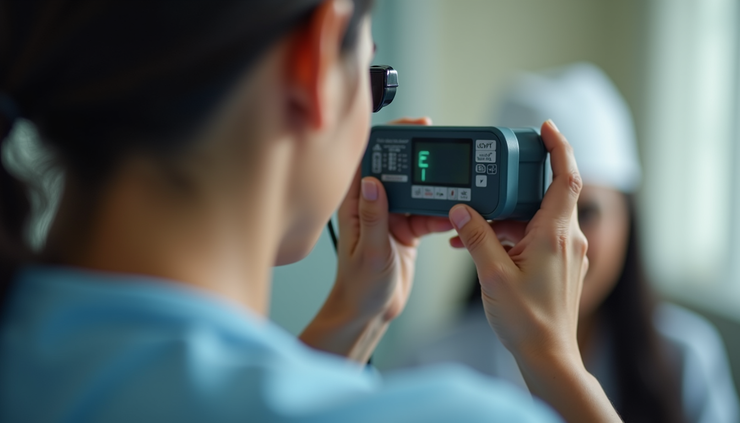
Bringing eye care services directly to rural communities helps overcome distance and transportation barriers. Mobile clinics equipped with screening tools can identify glaucoma suspects and refer them for follow-up care.
Training Local Healthcare Workers
Empowering nurses and general practitioners with basic eye screening skills allows early identification of glaucoma risk factors during routine health visits.
Community Education and Awareness
Simple, clear messages about glaucoma risks and the importance of eye exams can motivate people to seek care. Using local languages and trusted community leaders increases the reach of these campaigns.
Affordable and Accessible Eye Care Services
Reducing the cost of eye exams and treatments through subsidies or government programs encourages more people to get screened and treated early.
Practical Steps for Individuals to Protect Their Vision
Schedule regular eye exams even if vision seems fine, especially after age 40 or with a family history of glaucoma.
Know your risk factors such as age, family history, diabetes, or high eye pressure.
Report any vision changes like tunnel vision or blurred sight immediately.
Follow treatment plans strictly if diagnosed with glaucoma to prevent progression.
Support community screening events and encourage others to get tested.
The Role of Technology and Innovation
Telemedicine is becoming a valuable tool for rural eye care. Remote consultations with specialists can help interpret test results and guide treatment without requiring patients to travel. Affordable, portable diagnostic devices also make it easier to screen large populations.
Final Thoughts on Protecting Vision in Rural Areas
Glaucoma silently robs sight, but early detection can stop this thief in its tracks. Rural communities face unique challenges, but with targeted screening, education, and accessible care, many cases of blindness can be prevented. Protecting vision starts with awareness and action—encouraging regular eye exams and supporting local health initiatives can save sight and improve quality of life for millions.
If you live in or serve a rural area, consider how you can promote early glaucoma detection today. Your vision and that of your community depend on it.


Comments